Joints & Muscle

Rheumabi Cream

Snehana (external oiling)
Vatashamana (vata-calming)
Shothahara (anti-swelling)
Vedanasthapana (pain-easing)
Select your pack
₹ 249 ₹ 299 MRP inclusive of all taxes
Amount saved ₹ 50
Percentage off 17% off

FROM THE HOUSE OF

MADE IN INDIA

GMP Certified

FREE SHIPPING PAN INDIA

A warming external cream for stiff joints and aching muscle. It carries Mahanarayan taila, Ruma oil and classical aromatic oils in a base that is easy to apply.

Delivery estimate is shown at checkout.

Authentic Ayurveda

Carefully selected wellness products

Quality assured

Products chosen with quality and care

Timely delivery

Convenient delivery across India

Secure payments

Safe and trusted checkout experience

Product benefits
Designed for everyday wellness

01

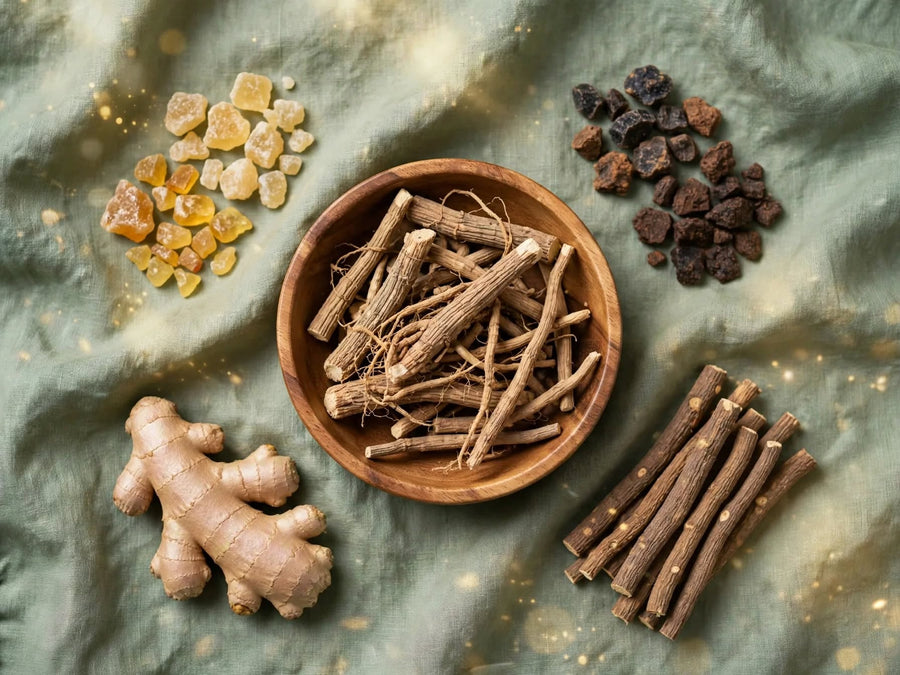
Snehana (external oiling)

the sesame-based tailas restore the unctuousness that aggravated vata strips from muscle and joint.

02

Vatashamana (vata-calming)

Dashamula, Ashwagandha and Eranda mula are the classical roots for stiffness and restricted movement.
03

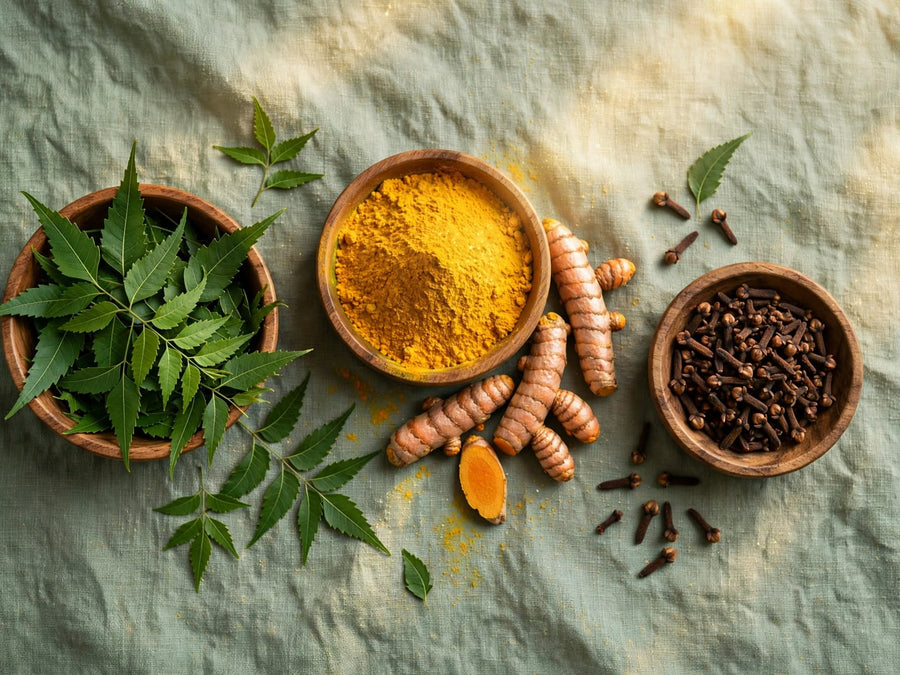
Shothahara (anti-swelling)

Haridra, Nimba and Lavang are traditionally applied over a swollen, tender area.

04

Vedanasthapana (pain-easing)

wintergreen, cajuput, camphor and menthol act at the surface as classical counter-irritants.
05

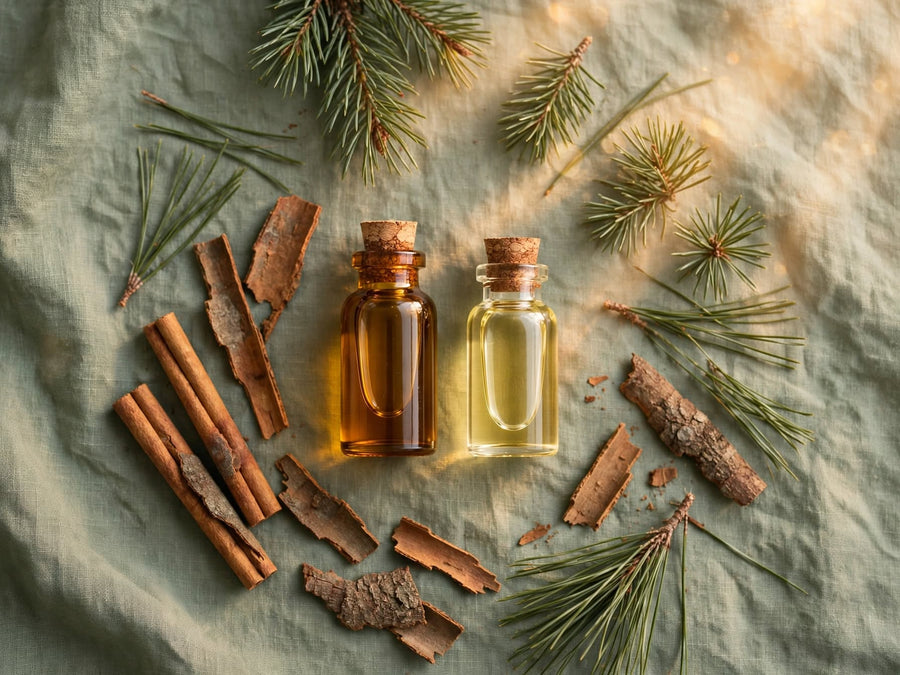
Ushna virya (warming potency)

Twak taila and turpentine oil bring local warmth and support surface circulation.

How to use

How to use

01

Important use note

Rheumabi Cream is for external use only. It must never be swallowed, and it is not for nasya or for any internal route.

02

Method

take a small quantity and massage gently over the affected joint or muscle until it is absorbed.

03

Frequency

twice daily, or as directed by the physician.

04

Technique

use long strokes along the limb and circular strokes around the joint. Follow with gentle movement of the joint rather than rest.

05

First use

apply a small amount to a small area and wait 24 hours before regular use.

06

After use

wash the hands thoroughly. Do not touch the eyes, mouth or nose before washing.

WHY MUSCLE AND JOINT STIFFNESS RESPONDS TO OIL

01 Joint stiffness: traditionally applied where joints feel tight and movement is restricted

02 Aching muscle: eases the everyday soreness that follows work, exercise or long hours in one posture

03 Sprains and strains: the classical use of Mahanarayan taila for local pain and tenderness

The considered response

HOW RHEUMABI CREAM WORKS

The cream combines three layers. Mahanarayan taila supplies the classical vata-pacifying herbs. Ruma oil adds a second group of warming, pain-easing dravyas. A set of aromatic oils, wintergreen, cinnamon, cajuput, camphor and menthol, provides the immediate surface warmth and cooling that patients feel on application.

Read more +

The cream combines three layers. Mahanarayan taila supplies the classical vata-pacifying herbs. Ruma oil adds a second group of warming, pain-easing dravyas. A set of aromatic oils, wintergreen, cinnamon, cajuput, camphor and menthol, provides the immediate surface warmth and cooling that patients feel on application.

Formulation

What’s inside — and why it matters

Shatavari

Cooling rasayana; counters local dryness

A rasayana (rejuvenating herb) recorded in Charaka and Sushruta Samhita. It is madhura (sweet), sheeta (cooling) and snigdha (unctuous). In an external application its role is to counter dryness. Most of the blend is warming and drying, and Shatavari supplies the nourishing quality that keeps the skin and the tissue under it supple.

Arjuna

Traditionally strengthening to soft tissue

The bark of the arjuna tree, monographed in the Ayurvedic Pharmacopoeia of India. It is kashaya (astringent) and sheeta (cooling). In classical external use Arjuna is applied for its strengthening and firming action on soft tissue, and it is traditionally used where an area is tender and slack after injury or long disuse.

Ashwagandha

Grounding vatahara; eases muscular fatigue

Ashwa means horse and gandha means smell, a name that points to the strength the herb is said to impart. It is one of the most trusted vata-shamaka (vata-calming) dravyas in Ayurveda. Infused into a warm sesame base it is traditionally used to soothe tired, tense muscle and to ease the aching heaviness that follows overuse.

Saunf

Aromatic; softens and rounds the blend

Fennel, a gentle aromatic used here for its softening, rounding effect on the blend. It carries an EMA herbal monograph and is among the mildest dravyas in the formula. It contributes minerals, including calcium and phosphate, and its warm-sweet aroma balances the sharper aromatic oils.

Nimba

Classical skin dravya; cooling, cleansing

Neem, the classical Ayurvedic dravya for the skin, and one of the best documented Indian medicinal trees. In an external preparation Nimba is tikta (bitter) and sheeta (cooling). It keeps the skin clean under repeated application and is traditionally used to calm local swelling and irritation.

Tagara

Relaxes tense muscle; eases spasm

Indian valerian, classified as tridoshahara and especially useful for vata. The rhizome carries a characteristic volatile oil. Applied externally it is traditionally used to relax tense muscle and to ease the cramp and spasm that accompany a stiff back or a guarded joint.

Phyllanthus

Species must be confirmed before printing

The source document lists Phyllanthus by genus only. The genus is large and its Ayurvedic members differ considerably: Bhumyamalaki (Phyllanthus niruri or Phyllanthus amarus) and Amalaki (Phyllanthus emblica, also placed as Emblica officinalis) are used for quite different purposes. The species used in this cream must be confirmed against the approved manufacturing specification before this document is circulated. No species has been assumed here.

Ela

Aromatic; traditionally eases muscle spasm

Green cardamom, an aromatic seed used in classical tailas for its warming, spreading quality. It is traditionally used in external application to ease muscle and joint pain, and to settle the contraction and spasm that follow strain.

Lavang

Eugenol-rich; local pain relief

Clove, whose oil is rich in eugenol. It is one of the oldest local pain remedies in Indian practice. Applied over a tender joint it is traditionally used to ease pain, swelling and discomfort, and it contributes to the warm aroma of the cream.

Sunthi

Warming; eases joint pain and stiffness

Dried ginger, ushna (warming) and penetrating. In external use it warms the area, supports surface circulation and is traditionally applied where joints are cold, stiff and slow to loosen.

Yashtimadhu

Soothing; softens the warming herbs

Liquorice, carrying a WHO monograph on Radix Glycyrrhizae and entries in the Ayurvedic, European and British Pharmacopoeias. It is madhura (sweet) and sheeta (cooling). Its glycyrrhizin content is traditionally associated with a soothing action on inflamed tissue, and in this blend it softens the effect of the many warming ingredients on the skin.

Tulsi

Aromatic, warming, kapha and vata balancing

Holy basil, recorded in Charaka Samhita and Bhavaprakasha Nighantu, balancing both kapha and vata. It contains eugenol, rosmarinic acid and ursolic acid. In an external preparation it contributes a warm, clarifying aroma and an antioxidant profile valued for skin resilience under repeated massage.

Tejpata

Warming aromatic leaf for local application

Indian bay leaf, a warming aromatic of the same genus as cinnamon. Massage with Tejpatra oil is a traditional practice for painful, swollen joints, and the leaf is also used externally on the skin for its cleansing action.

Eranda mula

Premier vatahara root of the classical texts

The root of the castor plant. Charaka calls eranda the foremost of the vata-pacifying dravyas, and it is a standard component of vata tailas. It is ushna (warming) and snigdha (unctuous), and is traditionally used where stiffness, heaviness and restricted movement dominate the picture.

Dhatura (shodhita)

Classical pain-easing dravya; purified form only

Dhatura is a classical pain-easing dravya used in external tailas. It is also one of the upavisha, the sub-poisonous drugs of Ayurveda, and it is a scheduled toxic substance. Datura species contain tropane alkaloids, principally hyoscyamine and scopolamine. Dhatura may be used only after classical shodhana (purification), and only in the proportion laid down in the approved specification. Its presence is the reason this cream carries the handling precautions set out below, and it must be read before the product is dispensed.

Daruharidra

Berberine-rich; cleansing, anti-swelling

Indian barberry, whose stem is rich in berberine. It is bitter and drying. In external use it is traditionally applied to calm swelling and to keep the skin clean under an occlusive oil preparation.

Tila taila

Warming base oil of both tailas

The premier Ayurvedic base oil for vata, and the carrier for both Mahanarayan taila and Ruma oil. Tila taila is ushna (warming), guru (heavy) and deeply penetrating. It carries the herbs into the tissue, lubricates the joint and grounds the cold, restless quality of aggravated vata.

Gandhapura taila

Wintergreen; counter-irritant, methyl salicylate

Wintergreen oil is a traditional external wash and rub for aching joints, sore muscle and low back pain. It works as a counter-irritant: it produces a strong warm sensation at the surface which reduces the perception of pain beneath. Wintergreen oil is largely methyl salicylate, which is absorbed through the skin and behaves in the body like a salicylate. This makes it effective and also makes it the ingredient that most needs care. Please read the Precautions in full before recommending this cream.

Turpentine oil

Warming; supports surface circulation

Distilled from pine oleoresin, and a long-standing external rubefacient in both Indian and European practice. It brings warmth to the surface and supports local circulation. Like the other volatile oils here it is for external use only.

Karpoora

Cooling then warming; numbs surface pain

Camphor is cooling on first contact and warming afterwards. It is readily absorbed by the skin and numbs the nerve endings at the surface, which is why it is present in so many traditional pain rubs. Applied over a joint it is traditionally used to ease swelling, support circulation and settle cramp. Camphor is toxic if swallowed, and this is one of the reasons the cream must be kept away from children.

Twak taila

Warming aromatic; eases stiffness

Cinnamon bark oil contains cinnamaldehyde and cinnamic acid, both antioxidant. As an essential oil it is traditionally applied to ease aches, pain and stiffness in muscle and joint, and it contributes warmth to the blend.

Kayaputi taila

Cajuput; cineole-rich, warming, antispasmodic

Cajuput oil is rich in cineole. Applied to the skin it produces surface warmth and supports circulation just beneath. It is traditionally used for joint pain and sore muscle, and its antispasmodic quality helps a guarded muscle let go.

Pudina satva

Cooling counterpoint to the warming oils

Menthol crystals from mint, giving the cool note that patients feel immediately on application. Mint is traditionally used for its cooling, calming action on an irritated area, and it balances the many warming oils in this blend.

Dashmool

Tridoshanashak, used for inflammatory conditions

Dashmool is a famous ayurvedic combination of medicinal herb. Dash means ten and mool means roots, so the meaning of dashmool is ten roots. Dashmoola is tridoshanasak and balances vata, pitta & kapha, useful for inflammatory conditions or vatavyadhi. Dashmoola includes brihatpanchamula (bilva, agnimantha, gambhari, syonaka, patala) and laghupanchamoola (shalparini, prishnparini, brihati, kantkari, gokshuru).

Haridra

Listed in the composition

Named in the eleven-herb composition on the product page.

Consistent routines

What progress may look like

apply a small amount to a small area and wait 24 hours before regular use

First use

apply a small amount to a small area and wait 24 hours before regular use.

the Approach

Made with a purpose

Pack size stated in monograph

The supplied monograph states a pack of 50 g.

You may also like

Frequently asked questions

What is the return policy?

Our goal is for every customer to be totally satisfied with their purchase. If this isn't the case, let us know and we'll do our best to work with you to make it right.

Are any purchases final sale?

We are unable to accept returns on certain items. These will be carefully marked before purchase.

When will I get my order?

We will work quickly to ship your order as soon as possible. Once your order has shipped, you will receive an email with further information. Delivery times vary depending on your location.

Where are your products manufactured?

Our products are manufactured both locally and globally. Our manufacturing facility is Nitya Naturals Pvt. Ltd., exporting globally with 25+ years of experience.

How much does shipping cost?

Shipping is calculated based on your location and the items in your order. You will always know the shipping price before you purchase.

See it in action

Wellness in everyday life

Nasja Oil Nasja Oil
₹ 327₹ 349
Surya Shirodhara - DIY Portable Shirodhara Machine Surya Shirodhara - DIY Portable Shirodhara Machine
₹ 18,999₹ 25,296
Surya Shirodhara - DIY Portable Shirodhara Machine Surya Shirodhara - DIY Portable Shirodhara Machine
₹ 18,999₹ 25,296